Leave Your Message
*Name Cannot be empty!

How to Choose the Best Berberine Supplement?

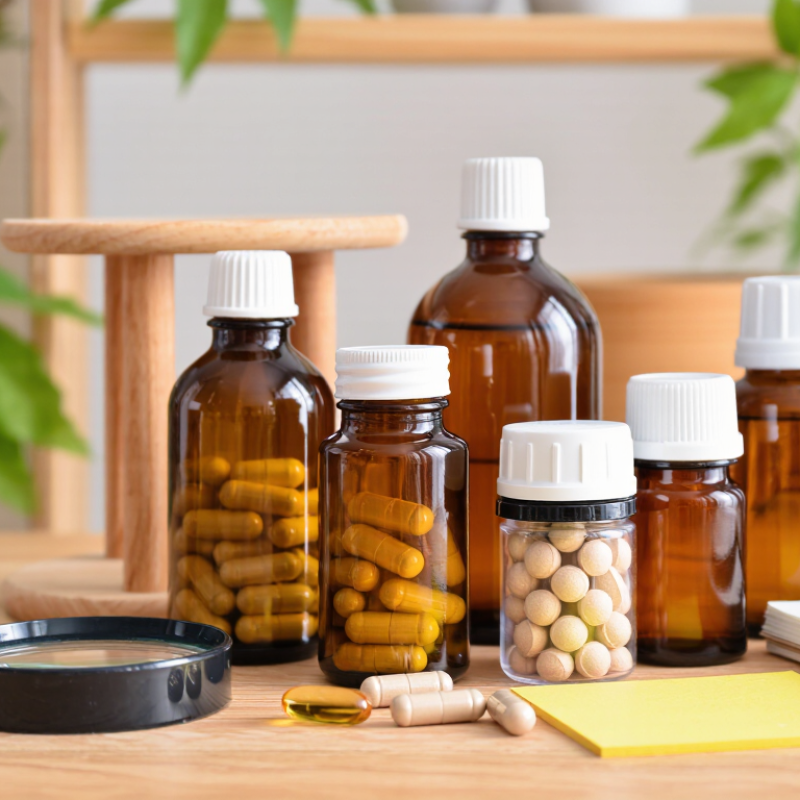
Choosing the right Berberine supplement can feel like comparing identical amber bottles on a crowded shelf. Labels often promise purity, strength, and better results. Yet those claims need careful examination. A trustworthy choice begins with the ingredient itself, not attractive packaging or dramatic testimonials. Berberine is a naturally occurring compound found in several plants, and research has examined its effects on glucose metabolism, cholesterol, and other health markers. Results vary, however, and supplements should not replace prescribed treatment or professional medical advice.

Look closely at the serving size, berberine form, and total amount per capsule. Some products list berberine hydrochloride, while others use blended extracts with less transparent quantities. Third-party testing can provide useful evidence about identity, potency, and contaminants. Look for a current certificate of analysis, not merely a small quality logo. Check the manufacturer’s contact details, batch information, expiration date, and storage instructions. A sealed bottle in a cool, dry cupboard is more reassuring than a product with vague labeling.

Safety deserves equal attention. Berberine may interact with medicines, including some used for blood sugar, blood pressure, or clotting. It may also cause digestive discomfort, such as cramping or loose stools. Speak with a qualified healthcare professional before using it, especially during pregnancy, breastfeeding, or when managing a chronic condition. I would not choose the strongest capsule automatically. More is not always better. The best supplement is the one with clear evidence, responsible manufacturing, and a practical plan for monitoring your response. Even then, expectations should remain modest. Personal experience can be informative, but it is not proof.

How to Choose the Best Berberine Supplement?

What Is Berberine and How Does It Work?

Berberine is a naturally occurring alkaloid found in plants such as barberry and goldenseal. It has a long history in traditional herbal practices. Modern research mainly examines its effects on blood sugar, cholesterol, and metabolic health. Berberine appears to activate AMPK, a cellular pathway involved in energy use. Think of AMPK as a traffic controller for fuel inside cells. This action may influence glucose production, insulin sensitivity, and fat metabolism.

Its effects are not simple or guaranteed. Berberine may also interact with gut microorganisms, although this area remains developing. Some clinical studies report improved blood glucose and lipid markers, while others show smaller benefits. The science is promising, but not tidy. Absorption can be limited, and product quality varies widely.

When choosing a supplement, check the exact berberine amount per serving and the form used. Look for independent testing, clear batch information, and contaminant screening. Avoid labels that promise rapid weight loss or replace medical treatment. A transparent label matters more than dramatic wording. I would also treat digestive discomfort as useful feedback, not an inconvenience to ignore. Berberine may cause nausea, constipation, diarrhea, or cramping. It can affect medicines for diabetes, blood pressure, or blood clotting. People who are pregnant, breastfeeding, or managing chronic conditions should seek professional advice before use. A pharmacist can review possible interactions more carefully than a quick online purchase.

Which Berberine Form and Dosage Fit Your Needs?

Choosing a berberine supplement starts with matching its form and dosage to your health needs. Berberine hydrochloride is the most commonly studied form, especially in research involving blood glucose and lipid levels. Other forms may claim better absorption, but stronger marketing does not always mean stronger evidence.

A practical dose often used in studies is 500 mg, taken two or three times daily with meals. Start lower when possible. This may reduce stomach discomfort, constipation, or loose stools. A 500 mg capsule can look simple, yet the right amount depends on your medications, diet, and health history. Small details matter.

Check the label for the exact berberine form, amount per serving, testing information, and clear expiration dates. Independent laboratory testing can improve confidence in purity and accuracy. Do not assume that a higher dose works better. Berberine may affect blood glucose and interact with diabetes medicines, blood pressure drugs, or other prescriptions. People who are pregnant, breastfeeding, preparing for surgery, or managing chronic conditions should ask a qualified healthcare professional first. The evidence is promising, but it is not complete. I would not treat one positive study as a personal guarantee. Monitor how your body responds, and reconsider the plan if side effects appear.

How to Evaluate Supplement Quality and Purity

Choosing a berberine supplement starts with purity, not a bright label. Check the exact botanical source, stated berberine content, and the form used. The label should show the amount per serving and every ingredient. Vague phrases such as “proprietary blend” make comparison difficult. Look for a batch or lot number. It supports traceability if questions arise.

Quality evidence matters more than polished packaging. Prefer products tested by an independent laboratory for identity, strength, heavy metals, microbes, and unwanted adulterants. A current certificate of analysis should match the lot number on the container. Manufacturing under recognized good manufacturing practices adds another useful safeguard. Still, certification is not magic. Testing methods vary, and one certificate may cover only one batch. Check the laboratory name, test date, and measured results. When details are missing, pause. A cheaper option may become an expensive mistake. Review serving instructions carefully, because “more” does not mean better. Berberine can interact with medicines and may not suit everyone. A pharmacist or qualified clinician can assess personal risks.

Tips: Buy sealed packaging from a transparent seller. Photograph the label before opening it. Compare the lot number with the certificate. Avoid damaged seals, unusual odors, or unexplained color changes. Keep a simple note of the purchase date and your response. If your evaluation feels rushed, it probably is.

How to Choose the Best Berberine Supplement?

A practical framework for evaluating supplement quality and purity

The suggested weights prioritize laboratory evidence over marketing claims. Identity and assay testing confirm that the product contains berberine and that the amount matches the label. Contaminant screening helps assess heavy metals, microbes, and residual solvents. Transparent labeling, lot-specific certificates of analysis, appropriate packaging, and clear storage information provide additional quality assurance. These percentages are an educational evaluation framework, not results from any specific company or brand.

What Safety Factors and Drug Interactions Should You Check?

When choosing a berberine supplement, safety deserves more attention than capsule strength. Check the label for the exact berberine amount, serving size, expiry date, and batch information. A transparent label is useful, but it does not prove purity. Look for independent testing that checks identity, heavy metals, microbes, and undeclared ingredients. Avoid products hiding amounts inside proprietary blends.

Berberine may lower blood sugar and blood pressure. This can become risky when combined with diabetes or hypertension medicines. It may also affect drug-processing enzymes and transport proteins in the body. People using anticoagulants, immunosuppressants, or medicines with a narrow safety range should ask a pharmacist before taking it. Transplant medicines deserve particular caution. Interaction evidence is not always consistent, so assuming “natural” means harmless is a poor shortcut.

Pregnant or breastfeeding people, children, and anyone with liver disease should seek medical advice before use. Watch for stomach cramps, constipation, diarrhea, dizziness, or unusual weakness. Severe symptoms require prompt medical attention. I would also avoid starting several supplements together, because identifying the cause of a reaction becomes difficult. A clinician should review your medication list, health history, and intended dose. Product quality can vary between batches, so keep the container and lot number if you experience a problem.

How to Choose the Best Berberine Supplement? – Safety Factors and Drug Interactions to Check

Safety Dimension What to Check Why It Matters Practical Decision Guide
Product identity The label should clearly state the botanical source, the berberine form, the amount per serving, serving size, lot number, and expiry date. Unclear labeling makes it difficult to estimate exposure, compare products, or investigate adverse effects. Avoid products with undisclosed proprietary blends or missing batch and expiry information.
Independent quality testing Look for a current certificate of analysis or credible independent testing for identity, potency, heavy metals, microbes, pesticides, and undeclared drugs. Supplements are not always tested by regulators before sale, and contamination or inaccurate potency can occur. Prefer transparent products that provide batch-specific testing rather than relying only on general marketing claims.
Dose and formulation Check the actual berberine amount per serving and whether the formulation changes absorption or release. Different formulations may not provide equivalent exposure, and higher exposure may increase gastrointestinal or interaction risks. Use the lowest labeled amount that is appropriate for the intended purpose; do not combine multiple berberine products.
Pregnancy and breastfeeding Do not use berberine during pregnancy or breastfeeding unless specifically directed by a qualified clinician. Safety data are insufficient, and berberine may affect bilirubin handling and the newborn’s health. Avoid self-use during pregnancy, lactation, and in newborns or infants.
Blood glucose Check for diabetes, prediabetes, fasting, or use of glucose-lowering medicine. Berberine may lower blood glucose and could add to the effect of antidiabetic treatment. Discuss use with a clinician and monitor glucose more closely when starting, changing, or stopping it.
Blood pressure and heart rate Review any history of low blood pressure, fainting, arrhythmia, or use of antihypertensive medicines. Additive blood-pressure effects are possible, and individual responses may vary. Seek professional advice if taking blood-pressure or heart-rate medicines; monitor for dizziness or weakness.
Gastrointestinal tolerance Consider diarrhea, constipation, abdominal pain, nausea, or a history of sensitive digestion. Gastrointestinal effects are among the most commonly reported adverse effects. Stop and seek advice for persistent, severe, or bloody diarrhea, severe abdominal pain, or dehydration.
Liver and kidney health Check for liver disease, kidney disease, abnormal liver tests, or medicines requiring organ-function monitoring. People with impaired clearance may have greater exposure, while evidence in significant disease is limited. Obtain clinician guidance before use and do not use it to replace prescribed treatment.
Planned surgery Tell the surgeon and anesthesiologist about berberine and all other supplements. Berberine may affect glucose, blood pressure, and drug metabolism around surgery. Follow the surgical team’s instructions; do not decide independently when to stop or restart it.
Prescription drug interaction: cyclosporine Check whether cyclosporine is being used, including after transplantation or for immune-related conditions. Berberine has been reported to increase cyclosporine exposure, potentially raising toxicity risk. Avoid combining without transplant or specialist supervision and drug-level monitoring.
Prescription drug interaction: diabetes medicines Review insulin and other glucose-lowering medicines with a pharmacist or clinician. Combined glucose-lowering effects may increase the risk of hypoglycemia in some people. Monitor glucose and watch for sweating, shaking, confusion, unusual hunger, or weakness.
Prescription drug interaction: anticoagulants and antiplatelets Check for warfarin, direct oral anticoagulants, aspirin, clopidogrel, or other medicines affecting clotting. A clinically important interaction is not established for every medicine, but additive bleeding risk or altered drug metabolism is possible. Obtain individualized advice; report unusual bruising, nosebleeds, black stools, or prolonged bleeding.
Metabolism and transport proteins Ask a pharmacist to review medicines with a narrow therapeutic index or those processed by CYP enzymes or P-glycoprotein. Laboratory and pharmacology studies suggest berberine can inhibit or alter some drug-metabolizing pathways, but the clinical importance varies. Do not assume “natural” means interaction-free; use a complete medication and supplement list.
Allergy and adverse reactions Review known allergies to the plant source or excipients and check for new symptoms after use. Any supplement may cause hypersensitivity or an unexpected adverse reaction. Stop use and seek urgent care for facial swelling, breathing difficulty, widespread rash, or fainting.
Evidence and claims Check whether the product makes disease-treatment, rapid weight-loss, or “cure” claims. Evidence for berberine varies by condition, and supplements should not replace diagnosis or prescribed therapy. Choose realistic, evidence-informed claims and consult a healthcare professional for a medical condition.

Important: This table is for general education and is not a substitute for individualized medical advice. A pharmacist or clinician should review berberine use when prescription medicines, pregnancy, breastfeeding, chronic disease, or surgery is involved.

How to Compare Brands, Labels, and Overall Value

Choosing a berberine supplement starts with the label, not the front-panel promises. Compare the exact form, serving size, and total daily amount. Berberine hydrochloride is commonly listed in clinical research, but “plant extract” alone is too vague. Check whether the label states the berberine quantity per capsule. A 2023 meta-analysis in Frontiers in Pharmacology reviewed 37 randomized trials and reported improvements in glucose and lipid markers, although study quality and dosing varied.

Value also means verified quality. Look for batch testing, contaminant screening, and an accessible certificate of analysis. Independent programs such as USP Verified and NSF Certified for Sport describe testing controls, but certification coverage may differ by product and batch. The FDA does not approve dietary supplements for safety or effectiveness before sale. That makes transparent testing more important. The 2024 Council for Responsible Nutrition survey reported that 75% of U.S. adults use dietary supplements, so crowded shelves should not be mistaken for equal quality.

Compare cost per effective serving, not capsule price. Include shipping, serving frequency, and the amount of active berberine. Avoid labels hiding details inside “proprietary blends.” I would also check storage instructions, expiration dates, allergen statements, and possible medication warnings. My own weak point is relying too heavily on clean-looking packaging. Packaging proves very little. A lower-priced product may offer better value, but only when its testing and dose are genuinely comparable. Ask a qualified clinician before use, especially with glucose-lowering or anticoagulant medicines.