2026 Best Stevia Extract for Global Buyers Insights?
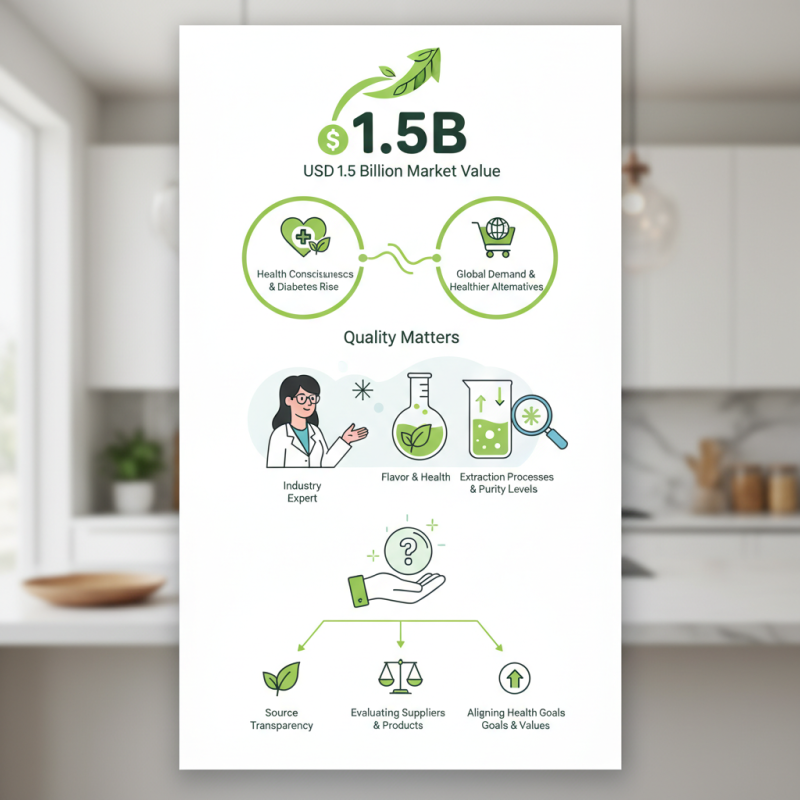
As the global demand for healthier alternatives rises, the stevia extract market is experiencing significant growth. According to a recent report by MarketsandMarkets, the stevia extract market is projected to reach USD 1.5 billion by 2026, driven by increasing health consciousness and the rising prevalence of diabetes. This trend highlights the importance of selecting the best stevia extract for various applications.
Industry expert Dr. Sarah Thompson emphasizes, “The quality of stevia extract affects both flavor and health benefits.” Her insights shed light on the need for buyers to understand the differences in extraction processes and purity levels. These factors are crucial when evaluating potential suppliers and products.
Moreover, consumers are becoming more discerning about the sources of their food and ingredients. They seek transparent and reliable information. Choosing the right stevia extract can be a complex decision due to varying quality. This challenge creates an opportunity for buyers to reflect on their choices, ensuring they align with their health goals and values while navigating the evolving landscape of natural sweeteners.
Overview of Stevia Extract: What Global Buyers Need to Know
Stevia extract is gaining attention globally. Its natural sweetness appeals to health-conscious consumers. Reports indicate that the stevia market is expected to reach $1.80 billion by 2026. This growth is driven by increasing demand for sugar alternatives. Many buyers are shifting to healthier choices.
Understanding stevia's advantages is crucial for global buyers. It contains zero calories and has a glycemic index of zero. This makes it suitable for diabetics and those managing weight. Countries like the U.S. and Japan have embraced stevia, incorporating it into various food products. It is essential for buyers to be aware of different extraction methods. The quality of stevia can vary significantly based on these methods.
However, challenges remain. Some consumers report a lingering aftertaste, which affects acceptance. Furthermore, the regulatory landscape varies by region. Buyers must navigate these complexities before entering the market. Accurate information is key to making informed decisions. The stevia extract market continues to evolve, urging buyers to stay informed on trends and consumer preferences.
2026 Best Stevia Extract for Global Buyers Insights
| Country |
Market Demand (USD Million) |
Key Applications |
Growth Rate (%) |
Main Competitors |
| USA |
850 |
Beverages, Baking |
8.5 |
N/A |
| China |
500 |
Confectionery, Dairy |
7.2 |
N/A |
| Germany |
300 |
Food Products |
6.0 |
N/A |
| Brazil |
200 |
Health Foods, Beverages |
5.5 |
N/A |
| India |
150 |
Nutraceuticals |
9.0 |
N/A |
Key Factors Influencing Stevia Extract Quality and Selection
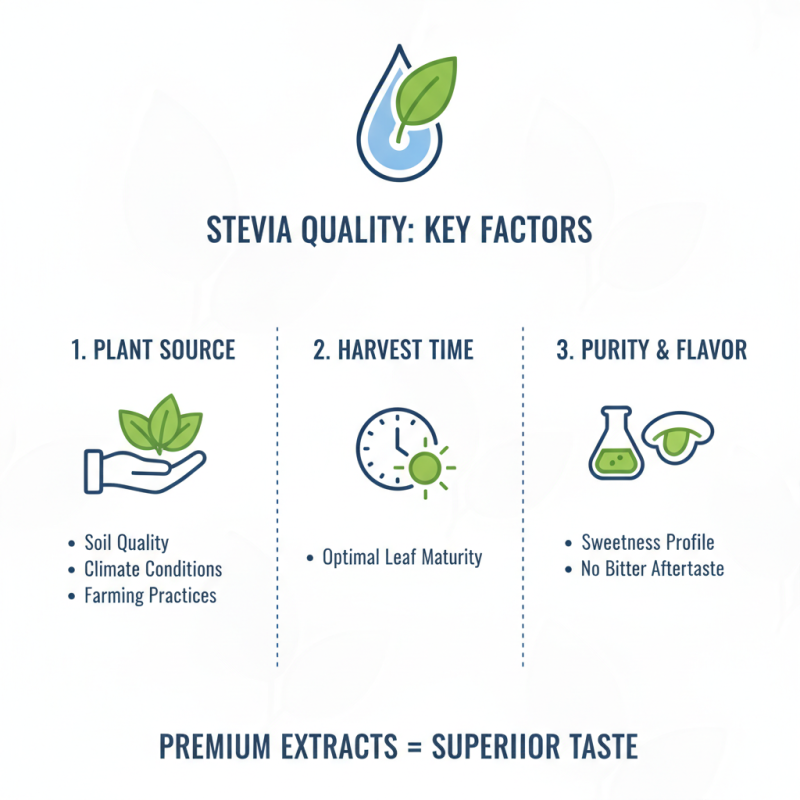
When selecting stevia extract, quality is paramount. Several key factors significantly influence the end product. First, the source of the stevia plant matters. Cultivating conditions such as soil quality, climate, and farming practices affect the compound's purity. Premium extracts often utilize leaves harvested at the optimal time. This is crucial for achieving the desired sweetness and flavor profile.
Processing techniques also play a vital role. Some methods preserve the natural components of stevia better than others. Extraction processes that avoid harsh chemicals yield a more authentic flavor. Additionally, the levels of rebaudioside A and stevioside in the extract can influence its sweetness and taste. Buyers should be cautious about products that may not clearly state these ratios.
Another aspect to consider is certification and testing. Products should ideally be verified for purity and quality. Certifications from reputable organizations can guide buyers in selecting high-quality options. However, it's important to remember that not all products meet these standards. Some may fall short of expectations due to inadequate transparency in sourcing and production.
Top Regions for Stevia Cultivation and Their Impact on Supply Chains
Stevia cultivation is thriving in several regions worldwide. Brazil and Paraguay lead in stevia production, benefiting from suitable climates and fertile soils. These regions have ideal conditions that promote high yield and quality. The unique growing practices in these areas enhance the purity of stevia extracts, making them reliable choices for global buyers.
Supply chains are also affected by geographical factors. Proximity to processing facilities plays a crucial role in efficiency. Regions close to these facilities can export stevia extracts faster and at lower costs. However, logistics challenges may arise in remote areas, leading to delays. Ensuring a steady supply requires careful management of these factors.
Tips: Consider the cultivation region when sourcing stevia. Quality can vary significantly. Research logistics routes to understand potential bottlenecks. A good supply chain strategy is essential for connecting reliable producers with buyers. Regular audits can help ensure quality and reliability in your supply chain.
Comparative Analysis: Leading Brands of Stevia Extract in 2026
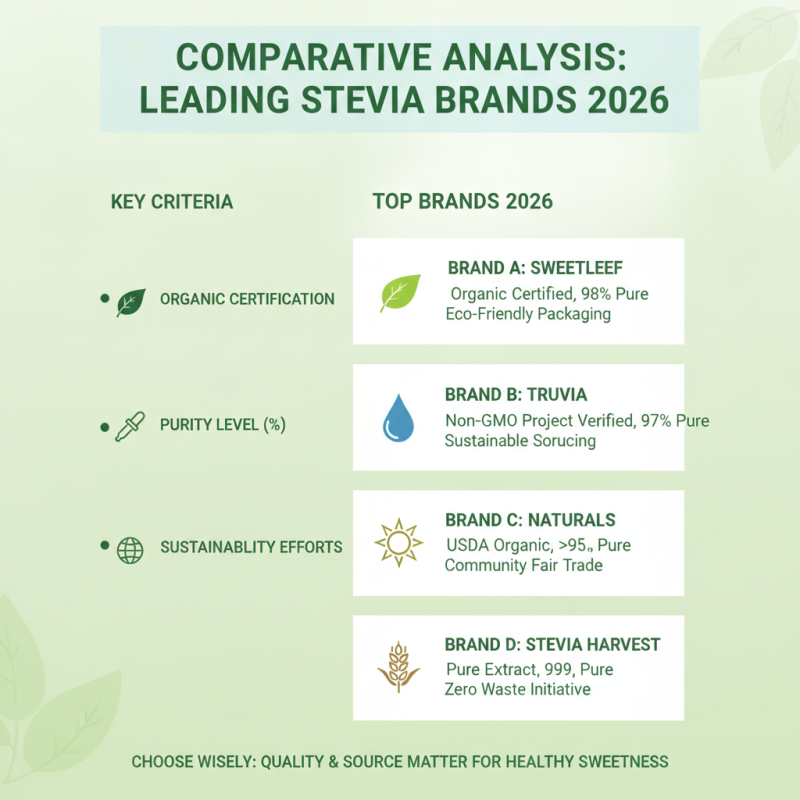
The market for stevia extract in 2026 showcases a diverse range of brands, each promising the best natural sweetness. As consumers become more health-conscious, assessing the quality and source of these extracts is crucial. Many brands emphasize their organic certification and purity levels, highlighting their commitment to sustainability. An experienced buyer must consider these factors carefully.
Flavors and sweetness levels vary widely among different stevia extracts. Some products may have a slight aftertaste, while others strive for a more balanced profile. This inconsistency can create confusion for consumers seeking a straightforward substitute for sugar. In this context, brand transparency is essential to make informed choices. Reliable brands often provide extensive information about their sourcing and extraction processes.
However, not every product meets high expectations. Some brands may not deliver on taste or purity, leaving consumers disappointed. Effective comparison requires careful attention to ingredient lists, sourcing transparencies, and user reviews. Engaging with community feedback can reveal crucial insights about the experiences of other consumers. Making educated decisions contributes to a more satisfying stevia experience and supports brands committed to quality.
Future Trends in the Stevia Extract Market for Global Buyers
The stevia extract market is evolving rapidly, with significant trends shaping its future. Recent reports indicate that the global stevia market will reach approximately $700 million by 2026, driven by increasing health consciousness among consumers. The demand for natural sweeteners is rising as more buyers seek alternatives to sugar and artificial sweeteners. A notable shift towards organic stevia products is also discernible, reflecting consumer preferences for cleaner labels.
Sustainability is a crucial factor influencing market dynamics. More businesses are exploring eco-friendly extraction processes. According to a study, sustainable practices can enhance product appeal and meet the demands of environmentally conscious consumers. In addition, regulatory support for natural ingredients is creating a favorable landscape for stevia's market footprint. However, challenges remain in sourcing high-quality stevia leaves and ensuring consistent supply.
Tip: When considering stevia extract options, prioritize products with certifications like organic or non-GMO. This can enhance marketability and appeal to discerning buyers. Monitoring these trends will be essential for stakeholders aiming to capitalize on shifting preferences in the stevia space.
2026 Global Stevia Extract Market Insights